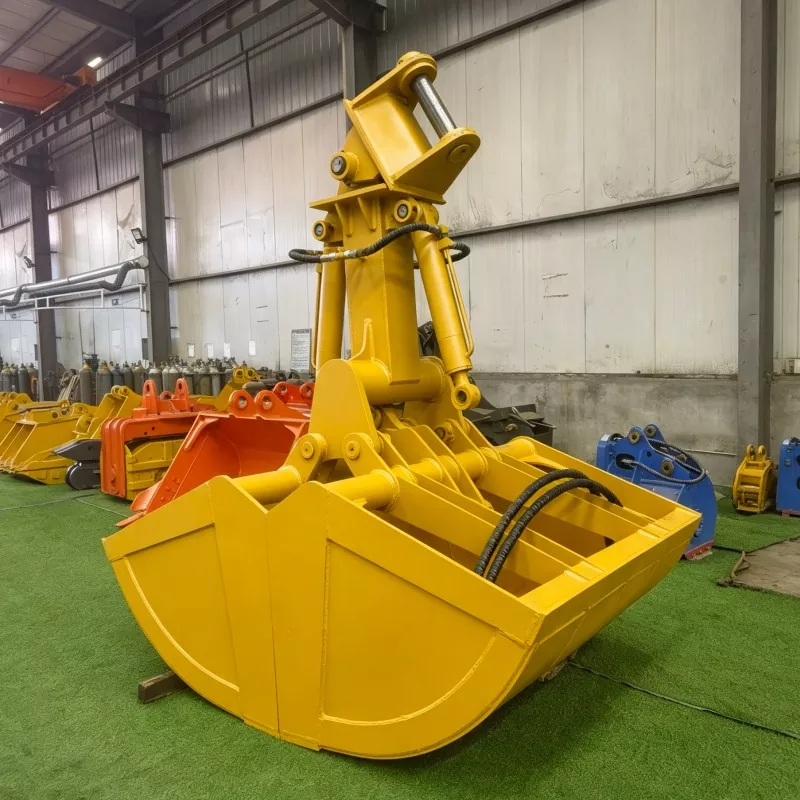
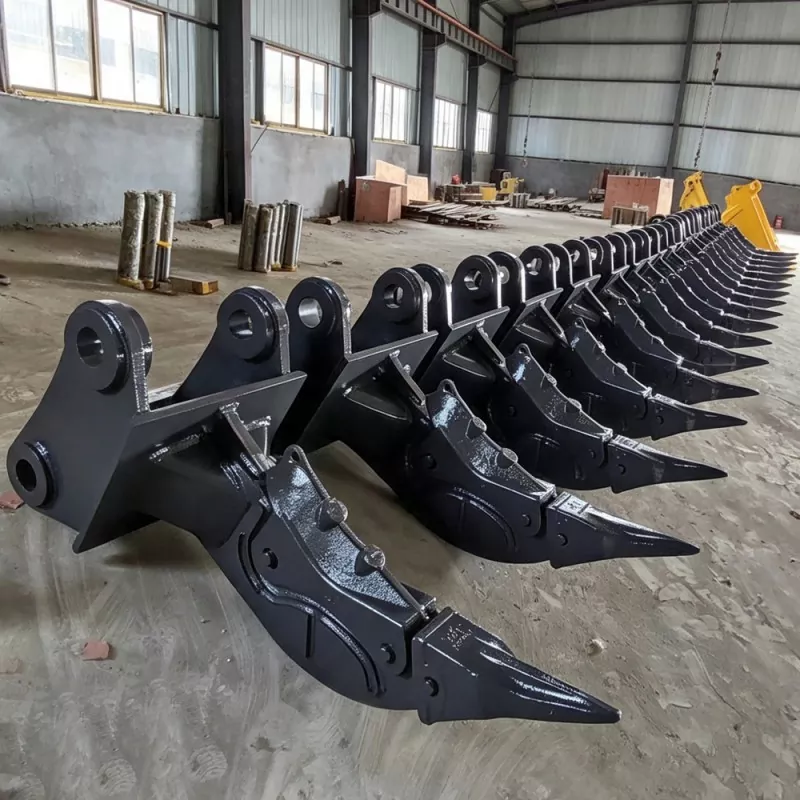
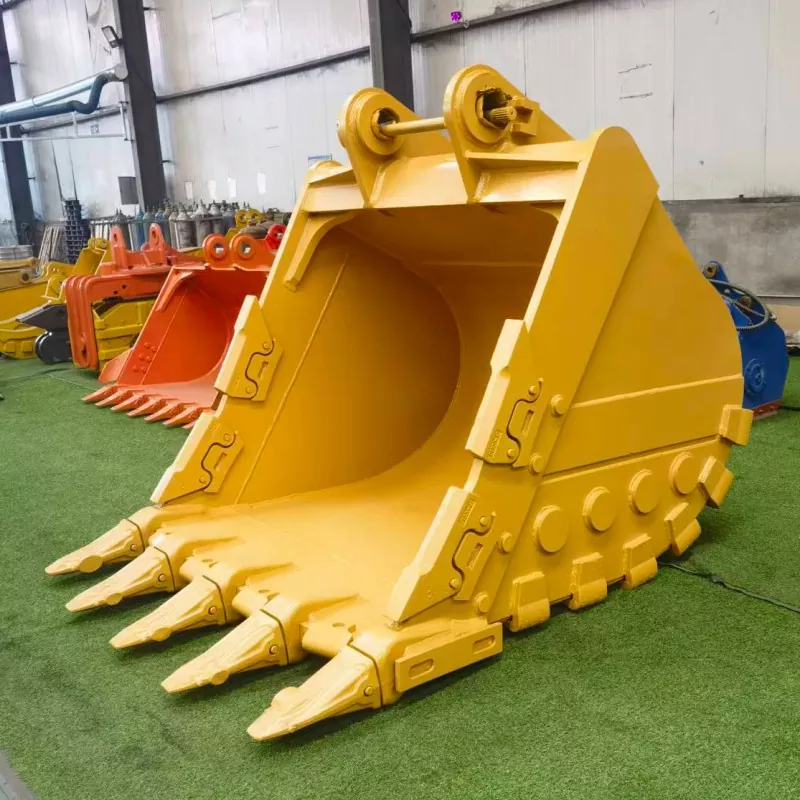
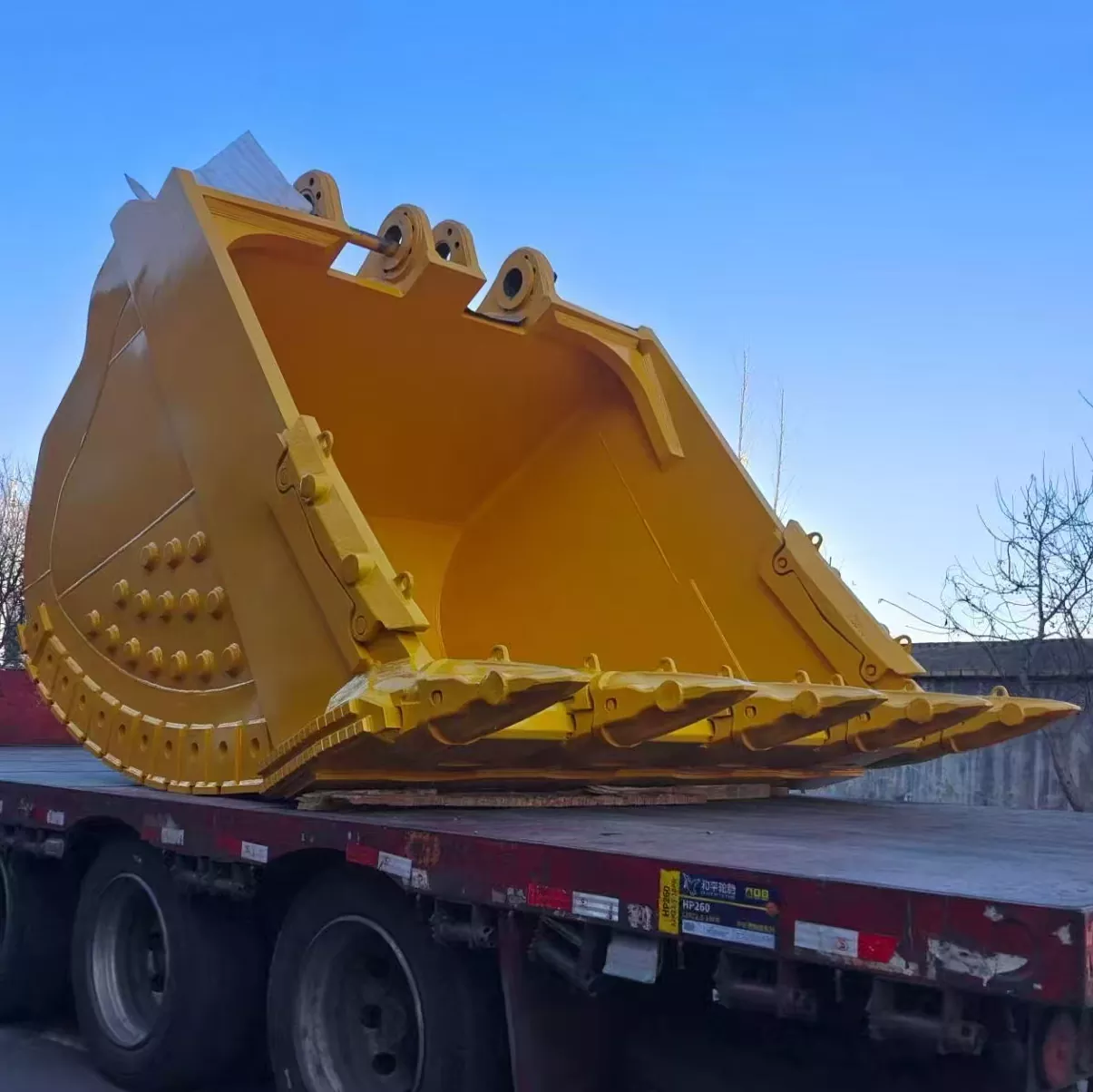
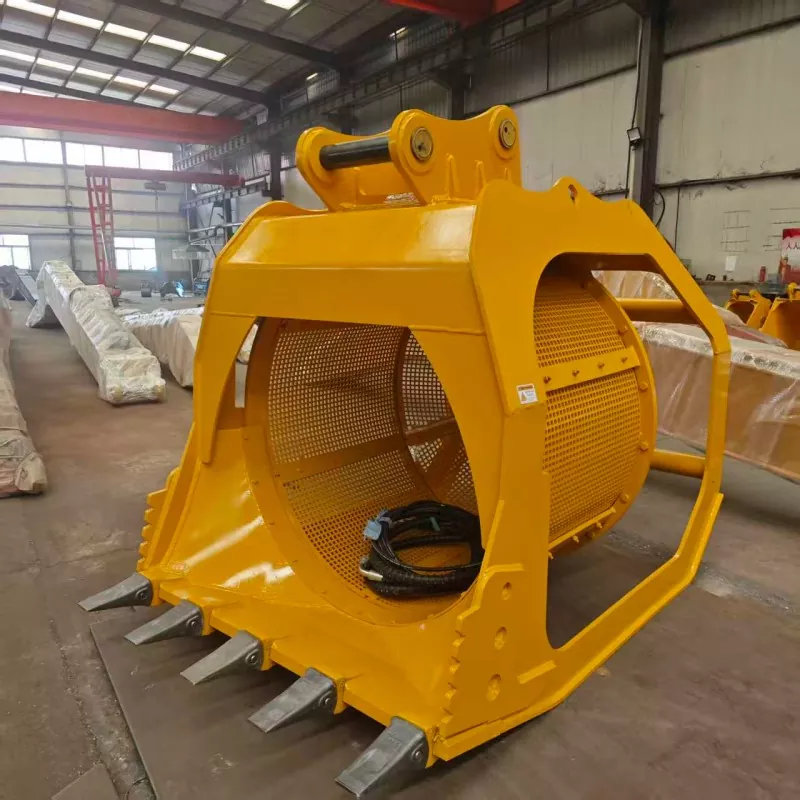
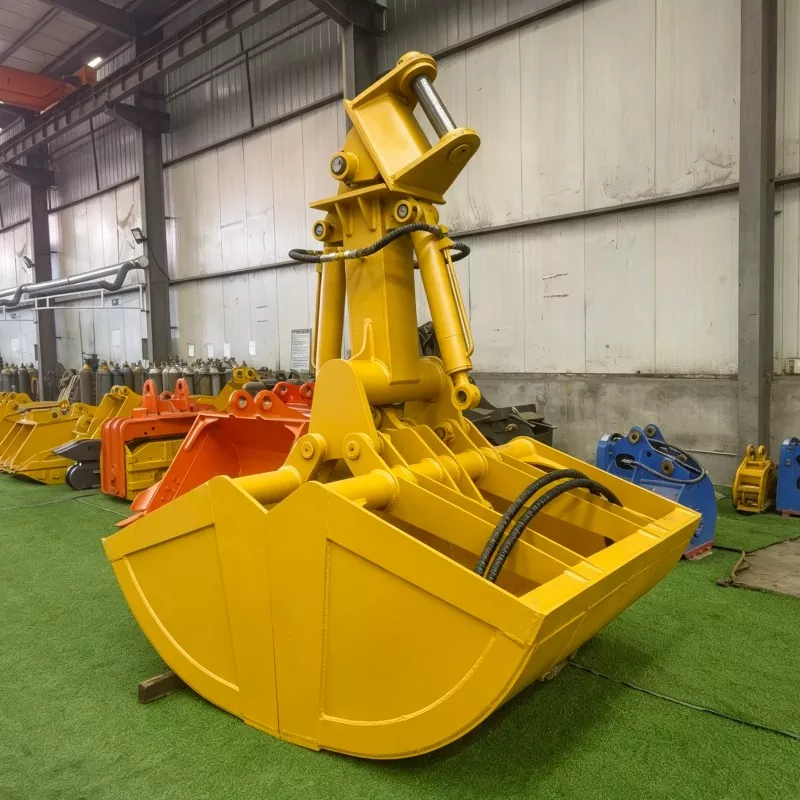
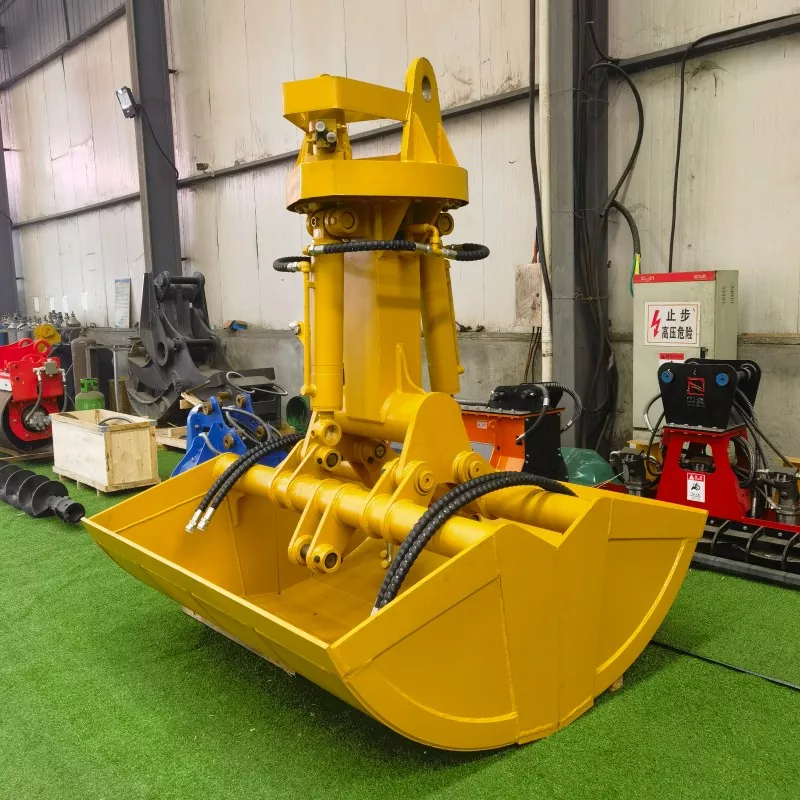
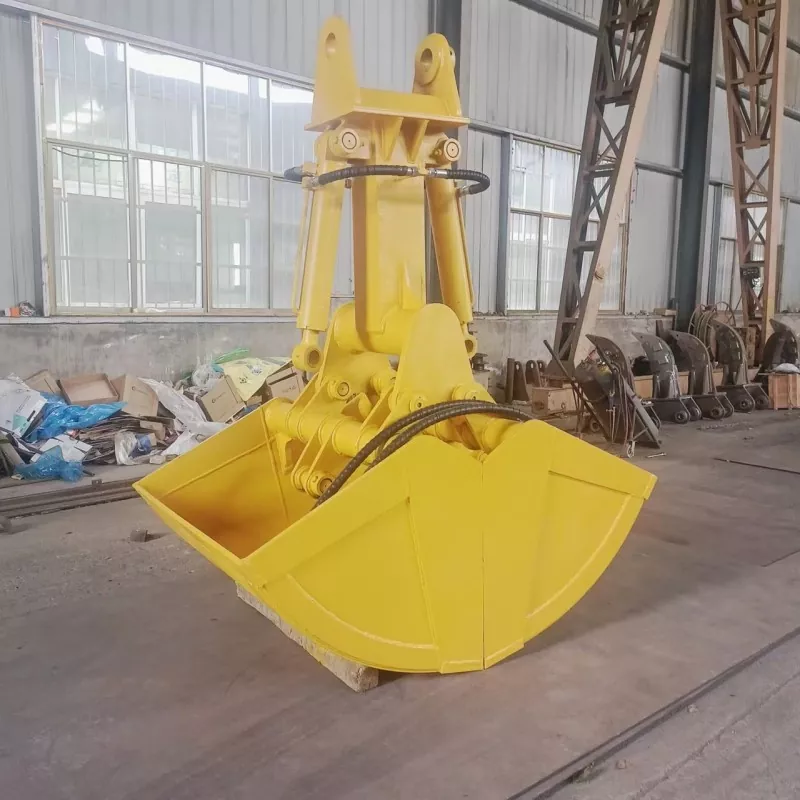
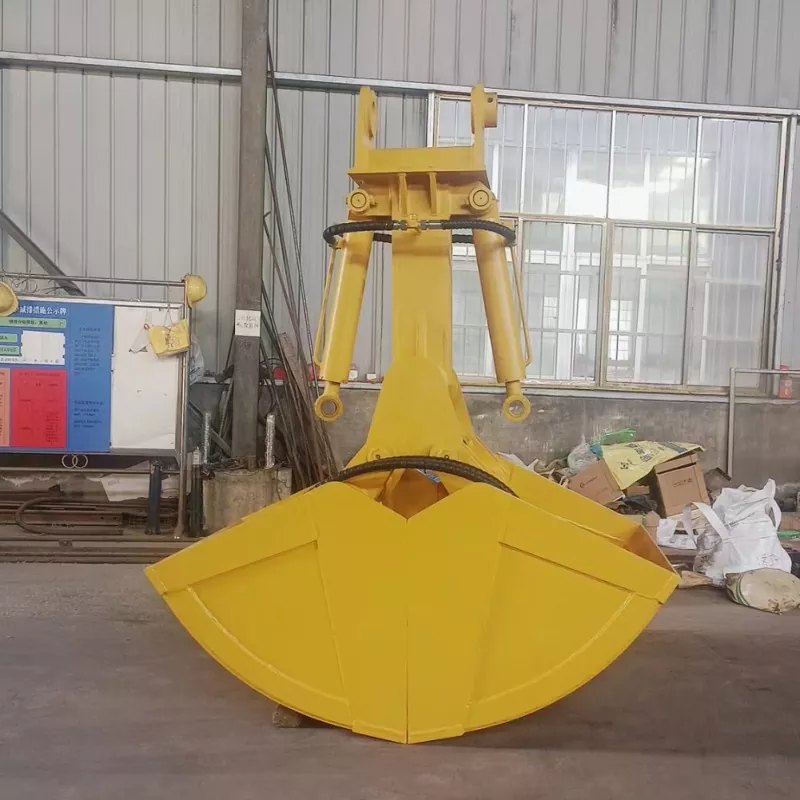
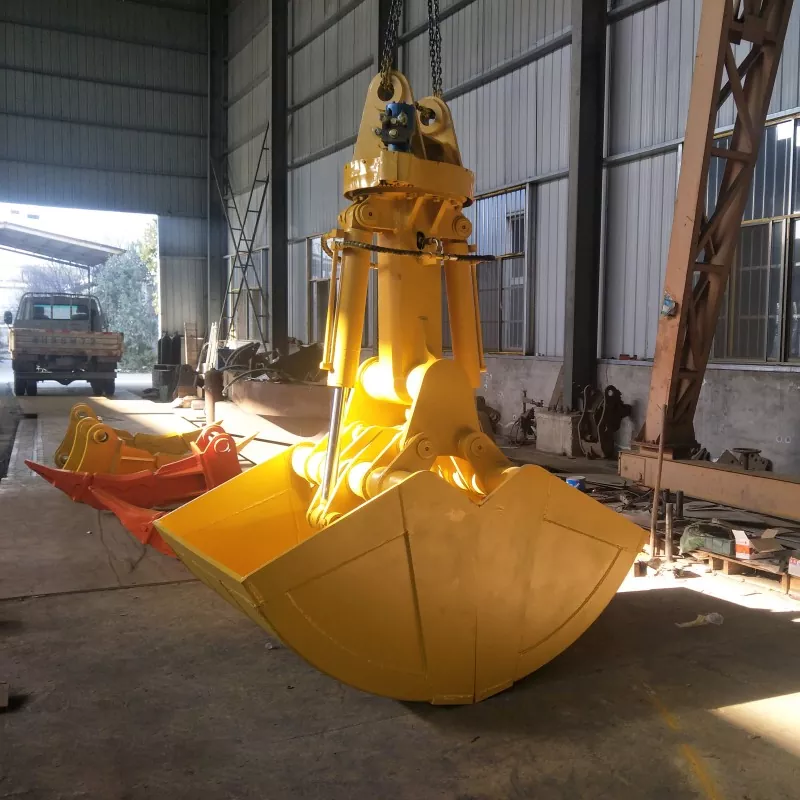
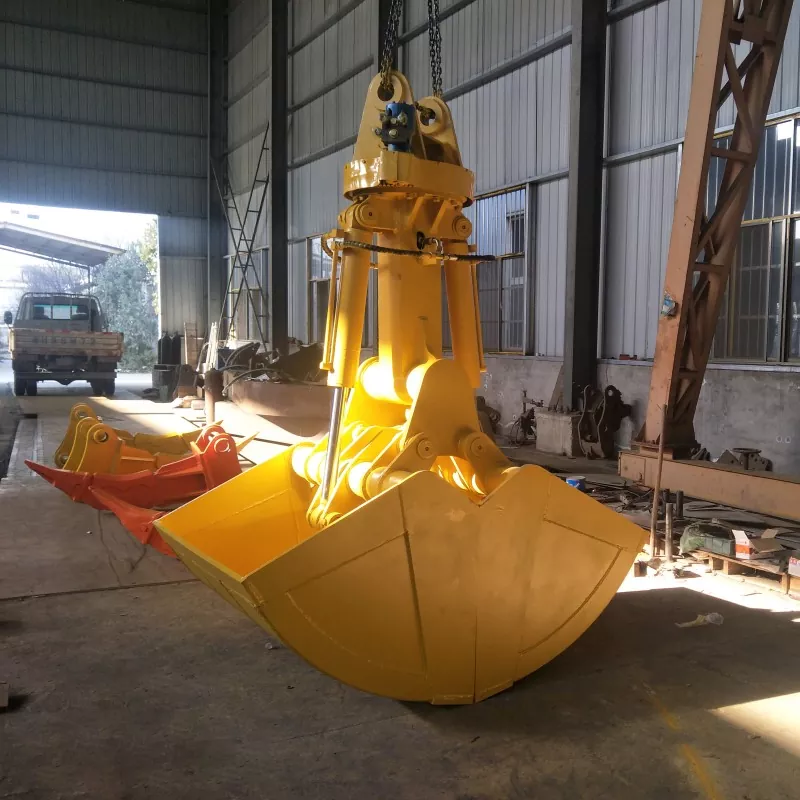
河川浚渫用回転式クラムシェルバケット
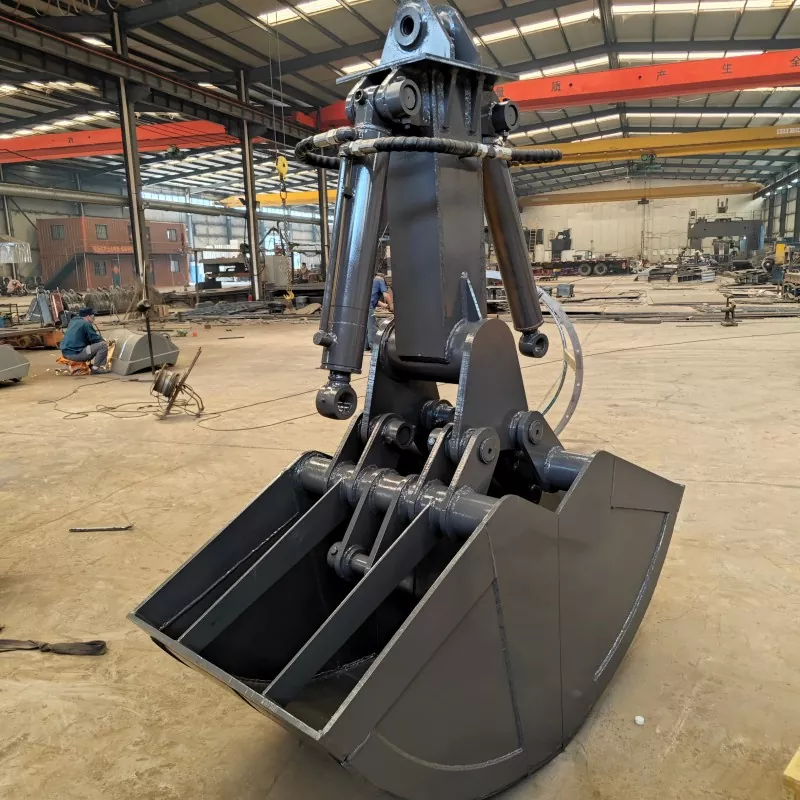
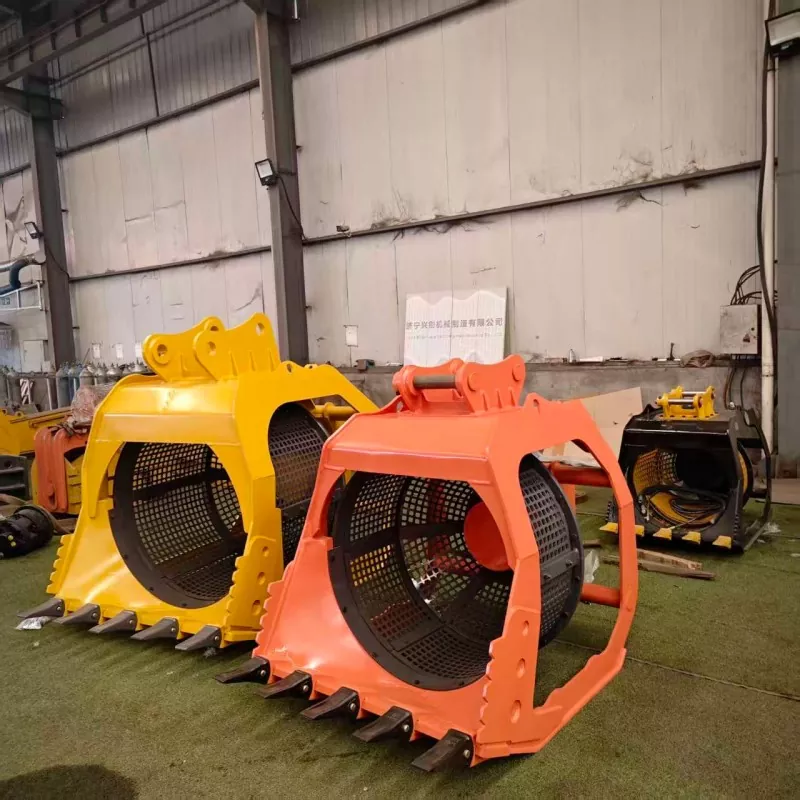
河川浚渫用回転式クラムシェルバケットは、河川、湖、港湾プロジェクトのシルト、砂、混合瓦礫を効率的に除去できるように設計されています。高強度耐摩耗鋼と 360° 油圧回転技術を採用し、柔軟な操作、大きな掴み能力、信頼性の高い浚渫性能を実現します。 XINGCHUANG は、カスタマイズされたロータリーバケットソリューションと世界的な浚渫用途向けの大量供給を提供します。
Our Rotary Clamshell Bucket for River Dredging features a 360° hydraulic rotation system that helps operators position the bucket more precisely in confined or underwater working areas. We hold CE certification and provide customized options for different excavator sizes, grabbing capacities, and project requirements.
Improve Grab Positioning Underwater
Underwater excavation often involves limited visibility, uneven sediment layers, and restricted working space. A conventional fixed-direction bucket may require the excavator to reposition repeatedly before reaching the target area.
Our rotary design allows the operator to adjust the bucket's orientation hydraulically, helping align the jaws with the material to be removed. This is useful when working near riverbanks, around channel edges, or in narrow dredging areas. The actual improvement in productivity depends on sediment conditions, excavator capability, operator experience, and the project layout.
Control the Bucket's Working Direction
The hydraulic rotation mechanism supports more flexible positioning during grabbing and discharge. Operators can align the bucket with the target area before closing the jaws, which may reduce unnecessary machine movements and help improve working efficiency.
Capture Loose Sediment
The clamshell structure is designed to grab loose materials such as mud, sludge, silt, sand, and gravel. Bucket capacity, jaw geometry, and cutting-edge design should be selected according to the sediment composition and the required dredging depth. Very compacted material, large debris, or mixed waste may require a different attachment configuration.
Select the Right Capacity for Your Excavator
Bucket capacity should be matched to the excavator's operating capability rather than selected by volume alone. An oversized attachment can increase lifting demands and affect machine stability, while an undersized bucket may require more cycles to remove the target volume.
We offer configurations for excavators in the 12T, 20T, 30T, 40T, and 50T classes, with rated grabbing volumes ranging from 0.8 m³ to 3.5 m³. The appropriate combination depends on the machine model, hydraulic output, lifting capacity, working radius, and dredging conditions.
Check These Details Before Ordering
- Excavator model: Confirm the machine's operating weight and attachment mounting dimensions.
- Hydraulic supply: Check available pressure, flow rate, hose connections, and the circuit needed for rotation and jaw movement.
- Required volume: Estimate the amount of sediment removed per cycle and the space available for loading or disposal.
- Material conditions: Identify whether the bucket will handle fine silt, wet mud, sand, gravel, or mixed deposits.
- Operating depth: Explain the expected underwater working depth and site conditions so the configuration can be reviewed.
Our team can review these details before recommending a suitable Rotary Clamshell Bucket for River Dredging. Final compatibility should be confirmed against the excavator manufacturer's limits and the selected attachment specifications.
Choose Materials for Abrasive Conditions
River sediment can contain sand, gravel, and other abrasive particles that gradually wear cutting edges and exposed surfaces. Material selection and structural reinforcement therefore matter when planning long-term dredging work.
Reinforced Bucket Body
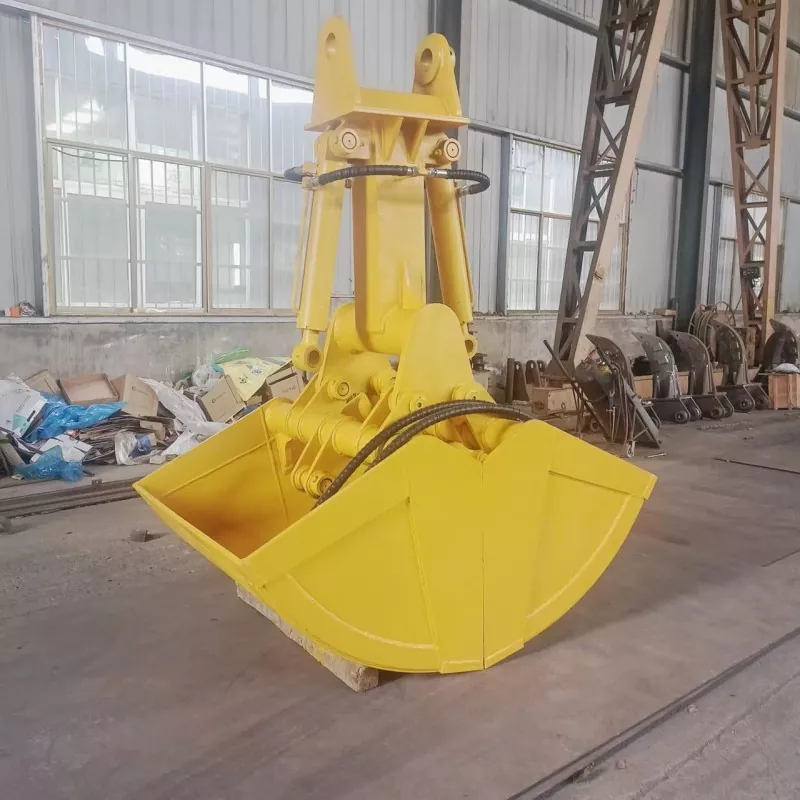
The supplied configuration uses Q355B high-strength steel for the main structure, with reinforced sections designed to withstand repeated loading. Cutting-edge thickness and wear protection can be reviewed according to the expected material and duty cycle.
Hydraulic and Sealing Components
The attachment incorporates a hydraulic rotation motor, hydraulic cylinder system, and sealing components. The supplied specifications identify polyurethane seals for resistance to water, sediment ingress, and aging. Regular inspection remains important because abrasive particles, impact, and poor maintenance can affect seal life.
Inspect Wear Points Regularly
We recommend checking cutting edges, teeth, weld areas, hydraulic hoses, connections, and seals at intervals appropriate to the working conditions. Early detection of loosened components, unusual leakage, or uneven wear can help reduce unexpected downtime.
Where This Attachment Is Used
River and Canal Maintenance
For river channels and irrigation canals, the Rotary Clamshell Bucket for River Dredging can remove accumulated mud, silt, sand, and gravel to support channel maintenance. Operators should assess local water flow, sediment disposal requirements, and environmental restrictions before starting work.
Reservoir and Water Conservancy Projects
Reservoir maintenance, flood-control works, and water infrastructure projects may require the removal of deposited material from specific sections. The bucket configuration should be selected according to sediment depth, access conditions, and the equipment available on site.
Port and Harbor Dredging
In suitable port and harbor maintenance applications, the clamshell design can collect loose deposits from targeted areas. Contractors should confirm the required grabbing capacity, lifting arrangement, and compatibility with the working platform or excavator before deployment.
Sand and Gravel Handling
The bucket can also handle loose sand and gravel where a controlled grab is needed. For coarse or mixed material, jaw opening, cutting-edge strength, and the possibility of oversized debris should be considered during selection.
Project Example: Canal and River Maintenance
Six Customized Buckets for a Southeast Asian Contractor
A dredging contractor in Southeast Asia purchased six customized rotary clamshell buckets for irrigation canal and river-channel maintenance. The project involved muddy water conditions and restricted operating areas, making bucket positioning an important consideration.
Reported Results After Six Months
According to the supplied project information, the customer reported approximately 28% higher dredging efficiency than with its previous fixed bucket after six months of operation. The hydraulic rotation system helped reduce repositioning time and improved flexibility during underwater grabbing tasks.
The project information also reported good wear resistance from the reinforced cutting edges under continuous operation. These results relate to the reported application and should not be treated as a guaranteed performance figure for every dredging site.
Technical Specifications
The following specifications are based on the supplied product information. The final values and configuration should be confirmed for the selected model before ordering.
| Parameter | Specification | Remarks |
|---|---|---|
| Applicable Excavator Tonnage | 12T / 20T / 30T / 40T / 50T | Special models can be discussed |
| Rated Grabbing Volume | 0.8–3.5 m³ | Matched to excavator class and configuration |
| Rotation Angle | 360° hydraulic rotation | Stepless speed regulation as specified |
| Main Material | Q355B high-strength steel | Reinforced structure and wear-resistant cutting edge |
| Sealing Material | Polyurethane seal | As specified for the selected configuration |
| Working Pressure | 18–22 MPa | Verify hydraulic compatibility with the excavator |
| Single Grabbing Capacity | 0.7–3.2 m³ | Depends on the selected model and material |
| Wear Resistance | Reported as up to 60% longer than ordinary buckets | Supplied comparative test claim; confirm test conditions |
| Working Temperature | -20°C to 60°C | Confirm limits for the selected configuration |
| Customization | Dimensions, capacity, appearance, and logo | Subject to technical review |
Customization and Quality Checks
Different dredging projects have different requirements for bucket dimensions, jaw opening, attachment interfaces, hydraulic connections, and wear protection. We offer customization options so buyers can discuss a configuration suited to their excavator and working conditions.
XINGCHUANG has more than 12 years of engineering machinery attachment experience, according to our supplied company information. Our production process includes material selection, structural fabrication, welding, machining, inspection, and final checks. We also hold CE certification; buyers can request the applicable documentation to confirm its scope and relevance to the product being purchased.
For overseas orders, we can discuss packaging, shipment arrangements, and technical information needed for installation. Before dispatch, buyers should confirm the model, hydraulic requirements, mounting dimensions, and included accessories against the order specification.
Frequently Asked Questions
Will the Rotary Clamshell Bucket for River Dredging work with my excavator's existing hydraulic lines?
Compatibility depends on the excavator's available hydraulic circuits, pressure, flow rate, and connection type. Please provide your excavator model and hydraulic specifications so the required connections and control arrangement can be checked before ordering.
Can it grab fine silt without losing too much material?
Performance depends on the jaw design, closing fit, sediment consistency, and operating technique. Fine, watery silt behaves differently from compacted mud or gravel, so we recommend describing the sediment conditions when selecting the bucket.
Is a larger bucket always more productive?
No. A larger bucket may increase the amount collected per cycle, but it also increases the load on the excavator and may affect stability, lifting limits, and cycle time. The bucket should be matched to the machine's approved operating capacity and working radius.
What should be checked if the rotation becomes slow or irregular?
Stop operation if the attachment behaves abnormally. Qualified maintenance personnel should inspect hydraulic supply, hoses, connections, leakage, and the rotation mechanism in accordance with the equipment manual. Do not continue operating a suspected hydraulic fault under load.
Can the bucket be customized for a project with limited working space?
Customization may be possible for dimensions, capacity, mounting arrangements, and other design details. Provide the excavator model, available clearance, target working depth, sediment type, and project requirements so our team can review a suitable design.
Request a Project-Based Quote
When requesting a quotation from XINGCHUANG, please include your excavator model, required bucket volume, hydraulic pressure and flow, sediment type, working depth, and project location. Drawings or photos of the existing attachment interface can also help us assess compatibility.
We will use this information to review the required configuration, customization options, and technical details for your project. Contact XINGCHUANG to discuss a suitable rotary clamshell dredging bucket for your river, canal, reservoir, or port maintenance work.
関連カテゴリー
お問い合わせを送信
連絡先情報
-
住所
中国山東省済寧市ハイテクゾーン解放区光外路1号
-
-
Eメール
私たちのウェブサイトへようこそ!当社の製品や価格表に関するお問い合わせは、メールを残してください。24 時間以内にご連絡いたします。